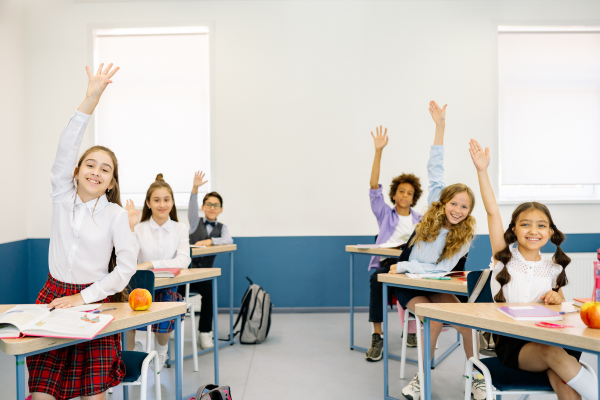
For generations, early education focused mainly on teaching children the basics—ABCs, numbers, colors, and rhymes. While these are still important, today’s world demands something more. The future is changing rapidly, and children need skills that go far beyond memorizing alphabets or counting numbers.
Modern children are growing up in a world filled with technology, fast communication, creativity, and constant change. So, what truly prepares them for the future?
At Willow Woods Preschool, education is not limited to books and worksheets. The focus is on building confident, curious, emotionally strong, and socially aware children who are ready to thrive in life—not just in classrooms.
Because the truth is simple: a child who can communicate, think creatively, solve problems, and understand emotions will always have an advantage in life.
Why Education Needs to Evolve
The world children will grow up in is very different from the one their parents experienced.
Today, success depends not only on academic knowledge but also on:
- Communication
- Critical thinking
- Creativity
- Adaptability
- Emotional understanding
- Collaboration
A child’s education should not feel like filling a bucket. It should feel like lighting a lamp that helps them explore the world confidently.
That’s why modern preschool education focuses on developing the whole child—not just academic performance.
The Importance of Emotional Intelligence
Children experience emotions deeply, even if they cannot always express them properly.
Teaching emotional intelligence means helping children:
- Recognize feelings
- Express emotions in healthy ways
- Understand others
- Build empathy
- Manage frustration
Why Emotional Intelligence Matters
A child who understands emotions is more likely to:
- Build healthy friendships
- Handle challenges calmly
- Communicate better
- Develop self-confidence
At Willow Woods Pre School, emotional growth is treated with the same importance as academic learning.
Communication Skills for Young Children
Communication is one of the most powerful life skills.
Children who can express their thoughts clearly often become more confident learners and better problem-solvers.
Ways Preschoolers Develop Communication Skills
Storytelling
Children learn vocabulary, confidence, and imagination.
Group Activities
Speaking with friends improves social confidence.
Role Play
Pretend games encourage children to express ideas naturally.
Music and Rhymes
Songs improve language development and memory.
Strong communication skills help children not just in school, but throughout life.
Creativity and Imagination Matter
Creativity is not limited to art or drawing. It’s about thinking differently, exploring ideas, and solving problems in unique ways.
Children are naturally imaginative. Give them a cardboard box, and suddenly it becomes a spaceship, a castle, or a secret hideout.
Creative Activities That Help Children Grow
- Painting
- Building blocks
- Pretend play
- Craft projects
- Music and dance
Creativity helps children become flexible thinkers who are not afraid to try new things.
Problem-Solving Skills in Early Childhood
Life is full of challenges, and children need to learn how to think independently.
Simple activities can teach problem-solving naturally.
Examples Include
- Completing puzzles
- Building towers
- Finding missing objects
- Sorting games
- Treasure hunts
Problem-solving teaches children patience, focus, and confidence.
Instead of giving all the answers immediately, encouraging children to think independently helps build stronger minds.
Building Confidence from a Young Age
Confidence is one of the greatest gifts a child can develop early in life.
A confident child is more likely to:
- Try new things
- Ask questions
- Speak openly
- Participate actively
- Recover from mistakes
How Confidence Grows
Positive Encouragement
Children bloom when appreciated genuinely.
Safe Learning Environment
Kids learn best when they feel emotionally secure.
Opportunities to Participate
Even small classroom responsibilities build confidence.
At Willow Woods Pre School, every child is encouraged to express themselves freely.
Social Skills and Teamwork
Children are not meant to learn alone. Social interaction plays a major role in development.
Important Social Skills Include
- Sharing
- Listening
- Cooperation
- Respect
- Kindness
Group play and classroom activities teach children how to work with others and understand different personalities.
These experiences prepare them for future relationships, teamwork, and leadership.
Independence and Responsibility
Even preschoolers can learn simple responsibilities.
Examples of Independence
- Packing toys after play
- Washing hands independently
- Carrying their own water bottle
- Choosing activities
- Organizing materials
Small responsibilities teach children discipline and self-reliance.
Like learning to ride a bicycle, independence grows step by step with practice and encouragement.
Curiosity: The Foundation of Learning
Children are naturally curious.
“Why is the sky blue?”
“Why do birds fly?”
“Where does rain come from?”
These endless questions are signs of active learning.
Why Curiosity Should Be Encouraged
Curious children:
- Learn faster
- Explore more
- Ask thoughtful questions
- Develop stronger understanding
At Willow Woods Pre School, curiosity is celebrated because asking questions is how real learning begins.
Physical Activity and Motor Skills
Children learn through movement.
Running, jumping, climbing, and balancing are not just fun—they are essential for healthy growth.
Benefits of Physical Activity
- Better coordination
- Stronger muscles
- Improved concentration
- Healthy energy release
- Better sleep
Fine motor activities like coloring, clay modeling, and threading also improve hand control needed for writing later.
Adaptability in a Changing World
The future will continue to change rapidly. Children need to become adaptable thinkers.
How Adaptability Helps Children
- Accept change confidently
- Learn new skills easily
- Handle unexpected situations
- Become resilient
Adaptability begins when children are exposed to new experiences, environments, and challenges in supportive settings.
Screen Balance and Real-World Learning
Technology is part of modern life, but balance is important.
Too much screen exposure can reduce active play, social interaction, and creative thinking.
Healthy Alternatives to Screens
- Outdoor play
- Storytelling
- Building games
- Arts and crafts
- Music sessions
- Nature exploration
Real-world experiences help children connect with people, emotions, and environments more meaningfully.
The Role of Play in Skill Development
Play is not a waste of time—it is how young children learn best.
Through play, children develop:
- Communication skills
- Creativity
- Emotional understanding
- Physical coordination
- Social interaction
Every block tower, pretend tea party, or running game teaches valuable life lessons.
At Willow Woods Pre School, play-based learning is used to make education joyful and engaging.
Parent and Teacher Partnership
Children grow best when parents and teachers work together.
Simple Ways Parents Can Support Learning
- Talk openly with children
- Encourage questions
- Read together daily
- Limit unnecessary screen time
- Celebrate effort, not just results
When schools and families support each other, children feel more secure and motivated.
How Willow Woods Pre School Shapes Future-Ready Kids
At Willow Woods Preschool, the focus goes beyond academics.
The preschool nurtures:
- Emotional growth
- Creativity
- Confidence
- Communication
- Curiosity
- Social interaction
- Independent thinking
The goal is to help children become not only smart learners but also happy and capable individuals.
Because education is not just about preparing children for exams—it’s about preparing them for life.
Conclusion
ABCs and numbers are important, but they are only the beginning of a child’s learning journey.
Today’s children need emotional strength, creativity, communication skills, confidence, adaptability, and curiosity to succeed in a rapidly changing world. These life skills cannot always be taught through textbooks alone. They grow through experiences, play, interaction, exploration, and encouragement.
At Willow Woods Pre School, education is designed to help children grow as complete individuals—ready not just for school, but for life itself.
Because when children learn beyond ABCs, they don’t just become better students. They become confident, compassionate, and future-ready human beings.
FAQs
1. Why are life skills important for preschoolers?
Life skills help preschoolers build confidence, communication, emotional understanding, and problem-solving abilities from an early age.
2. How does play help children learn?
Play improves creativity, social interaction, emotional growth, and physical coordination while making learning enjoyable.
3. What is emotional intelligence in children?
Emotional intelligence means understanding emotions, expressing feelings properly, and showing empathy toward others.
4. How can parents help children develop important skills at home?
Parents can encourage reading, conversations, creative play, outdoor activities, and independent tasks at home.
5. Why is preschool education important today?
Modern preschool education helps children develop academic readiness along with communication, creativity, confidence, and social skills needed for the future.